
Truck Accidents
Truck Accident Lawyers in Washington State
Mark A. Hammer & Associates understands the challenges that can follow a serious truck accident, from injuries and medical bills to insurance companies denying claims. Our mission is to help people throughout Washington State pursue compensation after collisions involving trucks of various types and sizes that travel on our public roads.
The Number of Trucks on Our Streets
Truck accidents aren’t limited to tractor-trailers.
There are many types of commercial and service vehicles that share Washington roads with motorists, cyclists, and pedestrians every day, with the most common being:
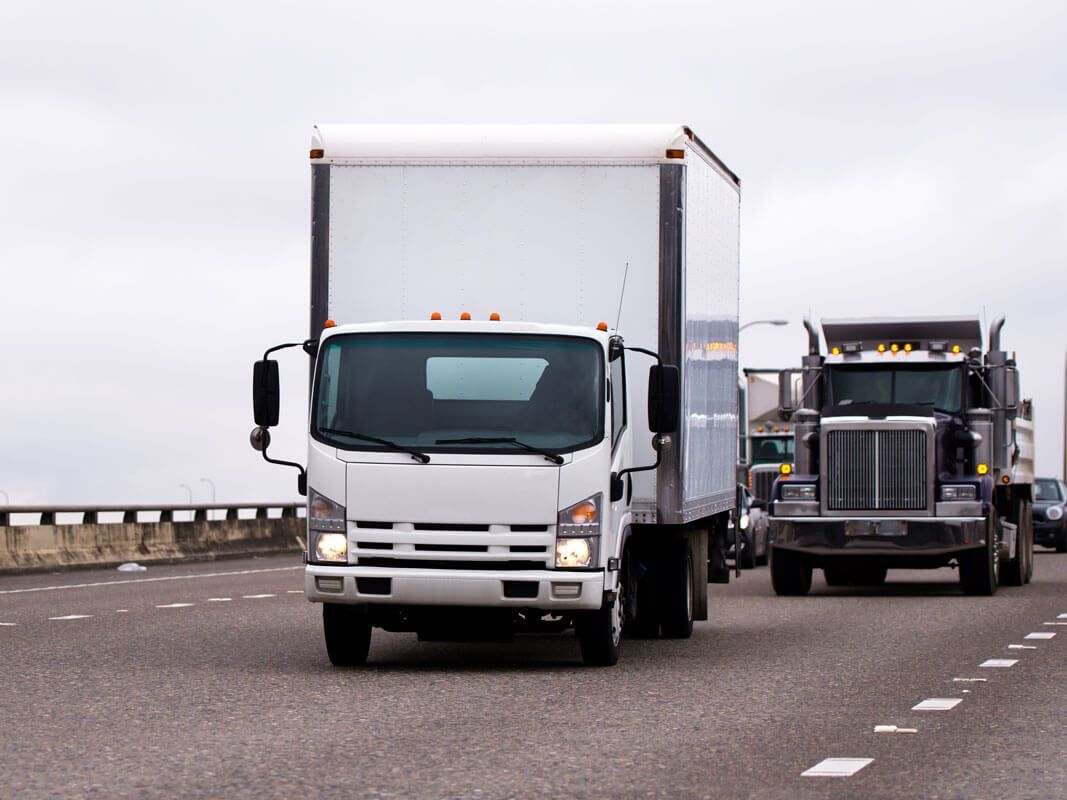
Box Trucks: Box trucks are commonly used for moving, deliveries, and commercial transportation. Their size and limited visibility can contribute to serious accidents, particularly on busy city streets and in tight spaces.
Delivery Trucks: Delivery drivers may make frequent stops and navigate residential neighborhoods, parking areas, and congested streets. Collisions can injure other drivers, pedestrians, cyclists, and people near delivery locations.
Garbage Trucks: Garbage trucks routinely operate close to homes, parked cars, pedestrians, and traffic. Their frequent stops and large blind spots can make accidents particularly dangerous.
Flatbed Trucks: Flatbeds carry equipment, building materials, and other cargo. Accidents may involve the truck itself or cargo that shifts, falls, or is improperly secured.
Tow Truck and Commercial Truck Accidents: Tow trucks and other commercial vehicles operate in demanding environments. When a collision occurs, determining whether the driver, vehicle owner, employer, or another party may be responsible can be an important part of an injury claim.
Common Causes of Truck Accidents
Understanding why an accident happened helps establish responsibility and determine what compensation may be available:
- Equipment Failure: Problems with brakes, tires, steering components, lights, or other equipment can cause a driver to lose control or become unable to stop safely.
- Driver Carelessness: Speeding, distraction, unsafe lane changes, failure to yield, and other careless behaviors can put nearby motorists and pedestrians at risk.
- Lack of Experience: Drivers unfamiliar with larger vehicles may misjudge stopping distances, turning clearances, blind spots, or changing road conditions.
- Improper Loading: Unbalanced, overloaded, or inadequately secured cargo can affect vehicle handling or create hazards if items fall into the roadway.
- Unsafe Operating Conditions: Fatigue, poor vehicle maintenance, tight schedules, inadequate training, and dangerous weather or road conditions can all contribute to preventable accidents.
Call for a free consultation.
If you or a loved one has been injured in a truck accident in Washington state, Mark A. Hammer & Associates is ready to help protect your rights and pursue the compensation you deserve. We have the experience and resources to take on insurers and large companies, including in complex injury claims. Contact us for a free consultation directly with attorney and founder Mark A. Hammer to discuss your accident and your options.